
5 Essential Winter Maintenance Tips to Winterize Your Plumbing
January 16, 2026
8 Methods to Fix a Slow Draining Sink
March 19, 2026You turn on the shower expecting steady water, and instead it feels weak and slow. It’s hard to rinse properly, and it’s definitely not relaxing. Low water pressure in the shower is one of those things people live with longer than they should, even though there’s usually a clear reason behind it.
Start With The Shower Head
Before you assume anything serious is wrong, take a look at the shower head itself.
Mineral deposits accumulate over time, especially in areas with hard water. That buildup can clog spray holes and restrict water flow. The result is uneven pressure, weak streams, or water spraying in odd directions.
Try removing the shower head and soaking it in vinegar for a couple of hours to break down the deposits. Or try tying a plastic bag filled with vinegar around the nozzles of the showerhead, making sure it is fully submerged. After it has been soaked in the vinegar for awhile, scrub off any remaining gunk. Sometimes that’s all it needs. If the showerhead is old or heavily clogged, replacing it may be the easiest option.
It’s also worth checking the flow rate. Many shower heads are designed to use 2.5 gallons per minute (GPM) or less. Some low-flow models feel fine, but others restrict the flow more than you’d expect.
Is It Just the Shower, or Everything?
This is worth paying attention to. If the pressure is low only in the shower, the issue is usually nearby. If sinks, tubs, and outdoor taps are all affected, it’s more likely something is happening in the system as a whole. Taking a few minutes to check around the house can help narrow things down before you jump to conclusions.
Your Pressure Regulator Could Be Failing
Many homes have a pressure regulator installed where the main water line enters the house. Its purpose is to keep water pressure at a safe level so pipes and appliances aren’t stressed.
When a pressure regulator starts to fail, pressure often drops across the entire home. Sometimes it’s gradual, which makes it easy to overlook. Other times, the change is obvious.
Water pressure is measured in pounds per square inch (PSI). Most homes sit between 40 and 60 PSI. A plumber can test this with a pressure gauge and tell you right away if the regulator is doing its job.
If it isn’t, replacing it can restore normal pressure almost immediately.
Older Pipes Can Restrict Water Flow
In older homes, low pressure often has to do more with what’s happening inside the pipes.
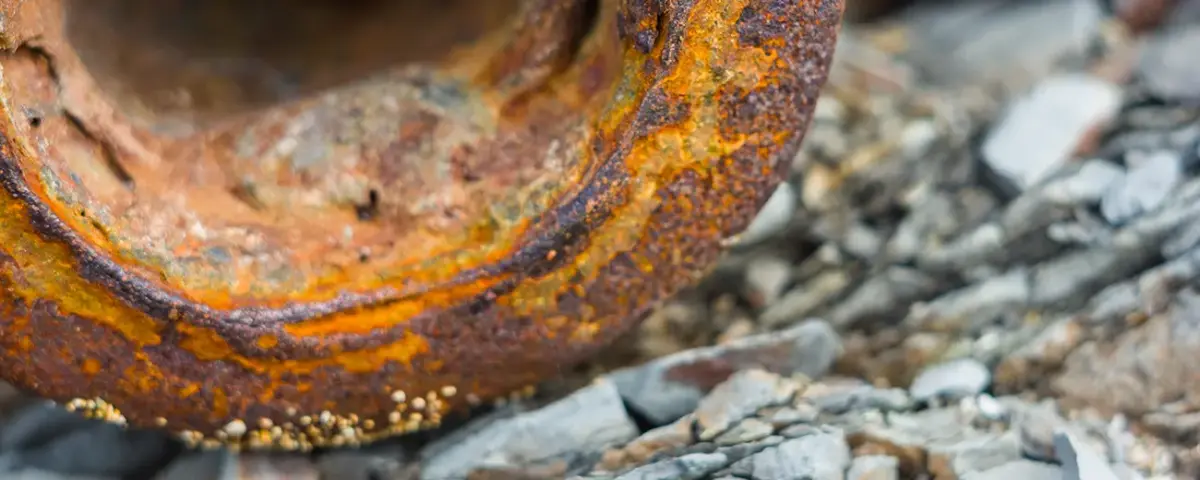
Over time, mineral deposits and corrosion can build up inside plumbing lines. That buildup narrows the space where water flows. Even if water pressure coming into the house is fine, the reduced pipe diameter limits how much water actually reaches the shower.
This is especially common with older galvanized pipes. Unfortunately, it’s not a quick fix. Depending on how widespread the issue is, partial or full pipe replacement may be needed.
Valves That Aren’t Fully Open
It sounds basic, but it’s more common than people realize.
Shut-off valves near the water heater or main supply should be fully open. If one was partially closed during previous work and never reopened properly, it can restrict water flow.
There’s also a mixing valve inside many shower systems. If it’s out of adjustment or has mineral buildup inside, it can reduce pressure at the shower head without affecting other fixtures much.
These are things a plumber can check fairly quickly once access is available.
Hard Water Plays a Role
Mineral deposits can build up inside pipes, fixtures, and valves. Over time, that buildup reduces the flow of water and can lead to low pressure in the shower.
Cleaning fixtures helps, but once buildup is inside the plumbing, professional service is usually required to fix it properly.
Sometimes It’s Not Your Plumbing
Every now and then, the issue has nothing to do with your home. Municipal water systems can experience pressure changes due to maintenance, construction, or higher demand during peak hours. Morning and evening showers are usually when people would notice this.
If pressure drops come and go, or if neighbours mention the same issue, it may be related to the water supply in the area rather than anything inside your house.
Can You Increase Water Pressure Yourself?
There are a few safe things you can try. Cleaning or replacing the shower head is one. Another is making sure visible valves are fully open.
Beyond that, trying to increase water pressure without knowing what you’re doing can cause problems. Too much pressure can damage pipes, cause leaks, and shorten the life of appliances. Pressure should always stay within a safe PSI range.
If you’re unsure, it’s better to have it properly checked by a professional plumber.
When It’s Time to Call a Plumber
If the easy checks don’t solve the problem, calling a plumber is your best bet.
A professional can:
- Measure water pressure accurately
- Inspect the pressure regulator
- Check valves and piping
- Identify restrictions or leaks
- Explain realistic options
Get Your Water Pressure Fixed
Low water pressure in your shower isn’t something you just have to live with. Sometimes it’s a quick fix. Other times, it points to an issue worth addressing sooner rather than later.If your shower pressure isn’t improving or you’re not sure what’s causing it, having a plumber take a look can save time and frustration. Our team at Kelowna Plumbing is here to help. Contact us today!