
Low Water Pressure in Your Shower? Here’s Why
February 12, 2026You probably don’t think much about your sink drain until it starts slowing down. One day, the water disappears quickly, and the next, it seems to sit there a little longer than it should. A slow-draining sink is usually the result of everyday buildup inside the pipe, and it tends to get worse if it’s ignored.
Before the problem turns into a full clog, there are a few things you can try. Here are 8 methods that may help get your sink draining properly again.
1. Remove Visible Debris From the Drain
The first step is always the simplest. Sometimes, a slow draining sink is caused by debris sitting right at the drain opening.
Hair, soap buildup, food scraps, and toothpaste residue can collect around the top of the drain and restrict water flow. Removing this material by hand or with a small tool can quickly restore proper drainage.
For bathroom sinks in particular, hair tends to collect around the stopper and just inside the drain opening.
2. Clean the Sink Stopper
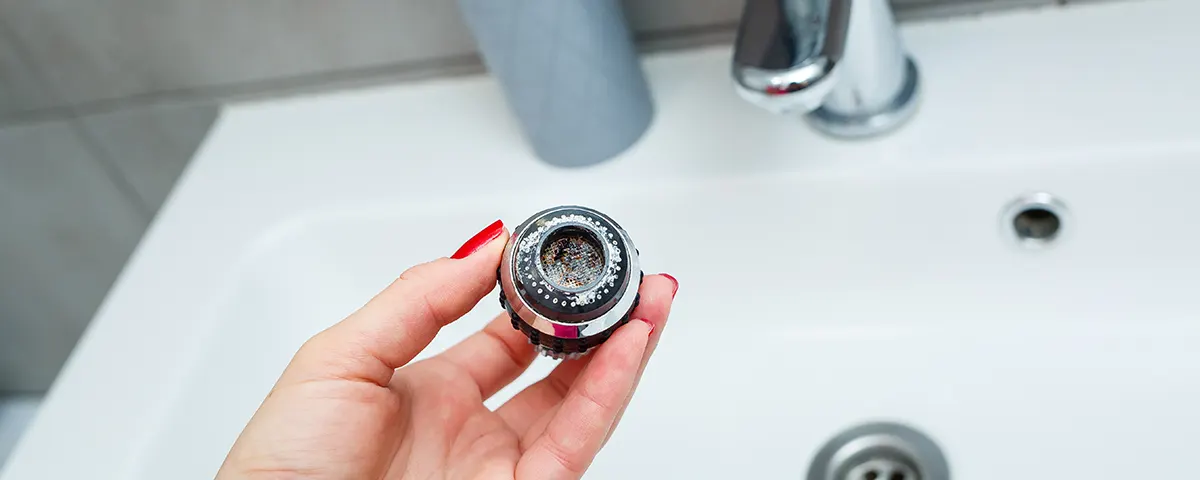
The sink stopper often traps debris before it moves further into the pipe. Over time, this can create a buildup that slows water flow.
Most sink stoppers can be removed fairly easily. Once removed, you may notice hair, soap residue, or other debris wrapped around the stopper mechanism. Cleaning this buildup and reinstalling the stopper can greatly improve drainage.
Regularly cleaning the stopper can also help prevent future slow drain problems.
3. Flush the Drain With Hot Water
Hot water can help dissolve certain types of buildup inside pipes, especially soap residue or grease.
Carefully running hot or boiling water down the drain for several minutes can sometimes loosen minor buildup and move it further through the plumbing system. This simple step is often enough to improve drainage when the clog is still small.
For kitchen sinks, hot water can help break down grease that may have started to collect inside the pipes.
4. Try a Vinegar and Baking Soda Solution
A mixture of baking soda and vinegar is a common household method used to help clean drains.
When combined, these ingredients generate a reaction that can help loosen buildup along the inside of the pipe. After pouring baking soda into the drain, adding vinegar will cause the mixture to bubble and foam as it works through the buildup.
After letting the mixture sit for several minutes, flushing the drain with hot water can help move loosened debris through the pipe.
While this method is not effective for severe clogs, it can be helpful for mild buildup.
5. Clean the Sink Overflow Opening
Many sinks have a small opening near the top of the basin called the overflow. This opening allows air into the drain system and prevents the sink from overflowing if the basin fills too high.
Over time, soap residue and debris can collect inside the overflow channel. If the main drain is already draining slowly, buildup in the overflow can make the problem worse.
Cleaning the overflow opening with a small brush or cleaning tool can improve airflow in the drain system and help water drain faster.
6. Use a Sink Plunger
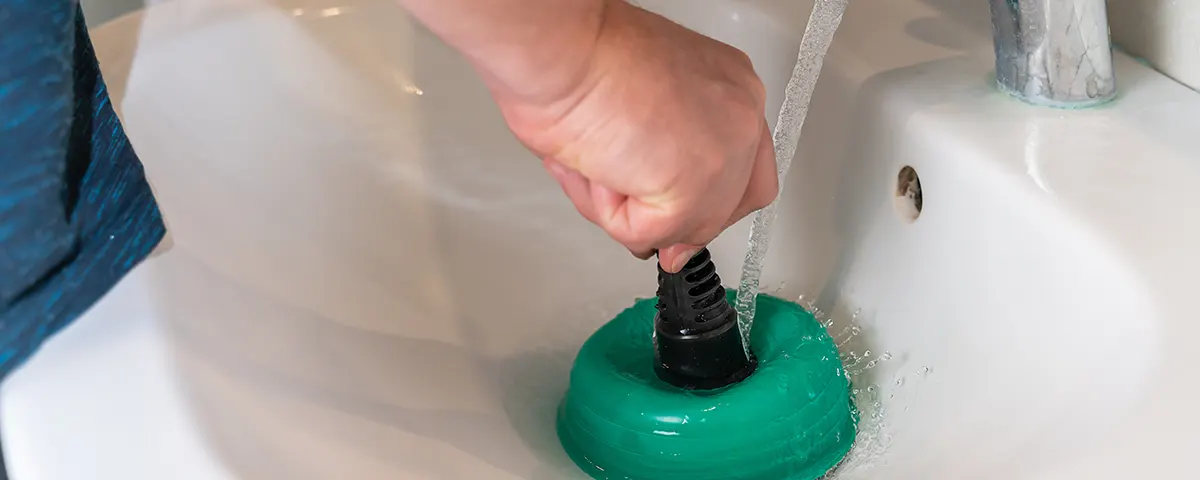
A plunger is not just for toilets. A small sink plunger can also help dislodge minor clogs in sink drains.
Before plunging, it helps to cover the overflow opening with a cloth to create a better seal. This allows the pressure from the plunger to focus directly on the drain.
Short plunging motions can loosen debris trapped in the pipe and help restore normal water flow.
7. Use a Drain Snake or Auger
If basic methods do not solve the problem, a drain snake may help reach deeper clogs.
A drain snake is a flexible cable that is fed into the drain to break up or pull out debris blocking the pipe. These tools are built to navigate bends in plumbing pipes and reach clogs that cannot be removed from the surface.
Drain snakes are commonly used for clogs caused by hair, soap buildup, or food particles.
8. Clean the P-Trap Under the Sink
If the sink continues draining slowly, the blockage may be located in the P-trap. The P-trap is the curved section of pipe located beneath the sink.
This bend in the pipe is designed to hold water and prevent sewer gases from entering the home. However, it is also a common location where debris might accumulate.
Removing the P-trap allows you to inspect and clean out any material trapped inside. A bucket should be placed underneath before removing the pipe, since water and debris may spill out.
Once cleaned, the trap can be reinstalled to restore normal drainage.
How to Prevent a Slow Draining Sink
If you want to avoid dealing with a slow sink in the first place, a few small habits can make a big difference.
- Don’t let hair wash down the drain, especially in bathroom sinks.
- Skip putting grease, oils, or food scraps down the kitchen sink.
- Use a simple drain screen to catch debris before it goes into the pipe.
- Pull out the sink stopper now and then and clean off any hair or buildup.
- Run hot water down the drain once in a while to help clear out minor residue.
These quick steps only take a minute, but they can help keep your sink draining properly and reduce the chance of a clog forming later.
When to Call a Plumber
If a slow draining sink does not improve after trying these methods, the blockage may be located deeper within the plumbing system.
Licensed plumbers have specialized equipment that can safely remove stubborn clogs and inspect pipes for more serious issues. Dealing with these problems early could prevent larger plumbing repairs in the future.
If you are dealing with a slow draining sink that will not clear, the team at Kelowna Plumbing can help diagnose the problem and restore proper drainage.
Contact Kelowna Plumbing today to schedule professional plumbing service and keep your drains working properly.