5 Signs It’s Time to Upgrade Your Gas Lines
November 20, 2025
5 Essential Winter Maintenance Tips to Winterize Your Plumbing
January 16, 2026Plumbing problems never seem to wait for the right moment. They show up during holidays, at night, or right when you’re about to leave the house.
Whether it’s frozen pipes, clogged toilets, or a failing water heater, emergencies can create stress fast. Knowing what to do in the first few minutes can prevent thousands of dollars in damage and keep your home safe.
When you understand how your plumbing system works and what early signs to look for, you’ll react faster and smarter.And when you can’t manage it alone, that’s when an emergency response plumbing service becomes essential.
Recognizing a True Plumbing Emergency
Some issues can wait a day. Others can’t. The key is knowing the difference. Water behaves quickly, and so do the problems that come with it. A small leak can turn into a major problem if left alone.
Major plumbing emergencies usually have one thing in common: the potential for serious damage. Burst pipes push water into walls and floors. Sewer backups create health hazards. A failed hot water tank can flood a basement in minutes.
If you’re dealing with uncontrollable water flow, sewage odours, or anything that threatens electrical systems, it’s time to act fast.
Immediate Steps You Can Take
When something goes wrong, it’s easy to panic. But staying calm and taking simple steps can protect your home until plumbing professionals arrive.
Here are a few actions to take right away:
- Shut off the main water supply valve.
- Turn off electricity in affected areas if water is near outlets or appliances.
These steps alone can prevent major property damage. Every home should have the main shut-off valve clearly labelled. Families should know where it is and how to use it. Quick action buys time before a plumber gets there.
Common Emergencies and How to Handle Them
Frozen Pipes
Cold Canadian winters can send temperatures plunging. When pipes freeze, the pressure inside them can spike. This often leads to bursts.
If water suddenly stops flowing, or you hear unusual sounds inside walls, you may have a frozen line. A gentle thaw with a hairdryer can sometimes help, but never use open flames. If the pipe is already cracked, shutting off the water is the best move until plumbing experts arrive.
Clogged Toilets
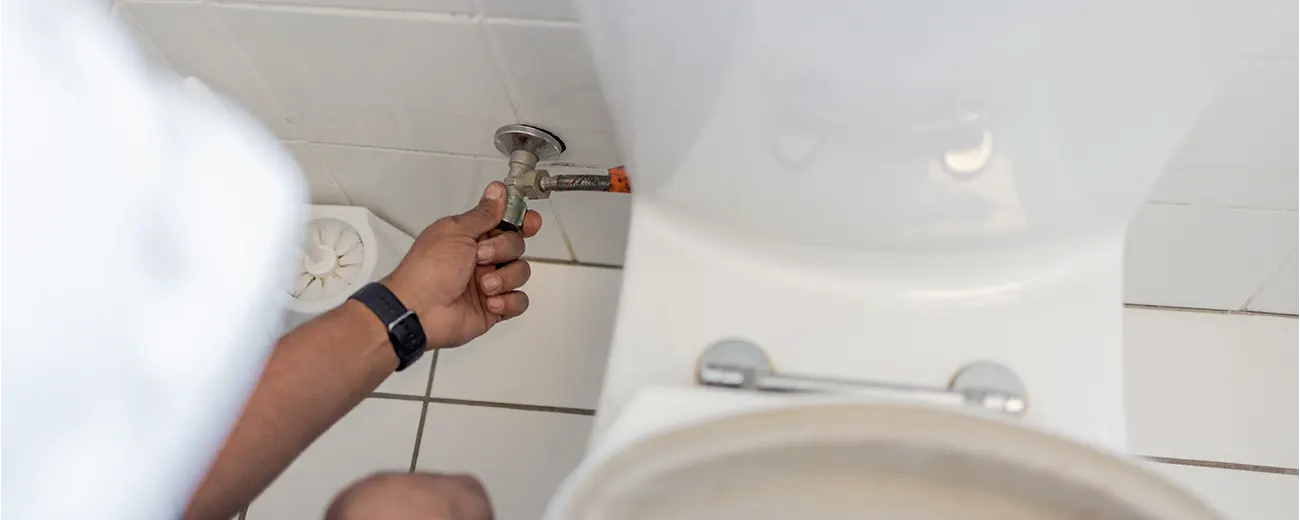
A clogged toilet seems minor, but repeated flushing can overflow the bowl and damage flooring.
It’s smarter to stop immediately and use a plunger to clear the blockage. If water rises quickly or spreads across the floor, treat it like a real emergency. Overflows can carry bacteria and require sanitizing, not just mopping.
Water Heater Failure
Losing hot water is inconvenient, but leaks around a water heater indicate a bigger risk. Tanks can fail due to age, corrosion, or high pressure. A leaking tank can burst without warning. If you see water pooling around it, turn off the power and the water supply to the tank.
Please note that damaged water tanks usually require full replacement.
Sewer Line Backups
This is one of the worst plumbing situations a homeowner can face. Strong odours, slow drains in multiple rooms, or gurgling sounds often point to sewer trouble. Sewer backups need immediate professional attention because they pose health hazards. Cleaning the area without proper equipment isn’t safe.
Why Fast Professional Help Matters in Emergency Plumbing
Modern plumbing systems are complex. Even experienced DIY homeowners sometimes misjudge a problem.
This is why calling a fully equipped and experienced plumbing team is important when real emergencies happen. They have the tools, training, and safety gear to fix issues correctly.
Many companies offer emergency plumbing repair, but not all provide the same level of customer service or reliability. Fast response is only part of it. You also want effective solutions and repairs completed at a competitive price, not quick fixes that fail again later.
A skilled full-service plumbing technician can diagnose hidden issues you may not notice. For example, a burst pipe may be the symptom, not the cause. Cold drafts, failing insulation, poor installation, or older materials all contribute to failures. Professionals look at the bigger picture so the same problem doesn’t return.
Prevention Is Always Cheaper Than Scheduling Plumbing Repairs
Once the immediate crisis is handled, it’s smart to think about next steps.
- Routine inspections help catch wear and tear early.
- Annual maintenance on your plumbing heating systems, hot water tank, and main water lines can prevent sudden breakdowns.
Remember that small repairs today will cost far less than full replacements tomorrow.
Some simple prevention tips include keeping outdoor hoses disconnected in winter, insulating exposed pipes, and checking supply lines under sinks. Listening for strange sounds in your pipes or noticing small leaks early can also save money.
A homeowner should know who to call day or night whenever there’s trouble. If you’re dealing with a plumbing emergency, contact us at Kelowna Plumbing for 24/7 emergency plumbing services