When to Call an Emergency Plumber: Situations You Shouldn’t Ignore
October 16, 2025
Emergency Plumbing Solutions: Know What To Do
December 11, 2025Most homeowners rarely give any thought to their gas lines. They work quietly behind walls and under floors, and likely don’t put up a fuss. They supply natural gas to your gas appliances, water heaters, and plumbing heating systems, and in a perfect world, a property’s gas lines work well without trouble. But over time, gas lines can deteriorate, causing leaks reducing performance efficiency. Recognizing the signs that your lines need upgrading is important for safety, energy savings, and reliable home comfort.
1. Rust or Corrosion on Pipes
If your gas lines are old, you might notice rust or corrosion on the pipes. Metal pipes, especially those exposed to moisture or buried underground without proper protection, can weaken over time. Rust can wear down a pipe and cause tiny leaks that might go unnoticed. This wastes natural gas and poses serious risk.Even small corrosion can reduce the pressure to your gas appliances and water heaters, making them less efficient. A licensed gas fitter can inspect your lines and suggest replacements before the problem worsens.
2. Unusual Gas Smells
One of the clearest signs of trouble relating to your gas lines is the smell of gas.
Natural gas is odourless on its own, but suppliers add a scent similar to rotten eggs to help detect leaks. If you notice this smell near your stove, hot water system, or any gas appliances, don’t ignore it.
Even minor gas leaks are dangerous. They can lead to fire hazards, are a risk to your health and anyone else’s inside the home, and produce wasted energy. Calling a professional gas plumber immediately is the safest way to handle this.
3. Weak or Flickering Flames
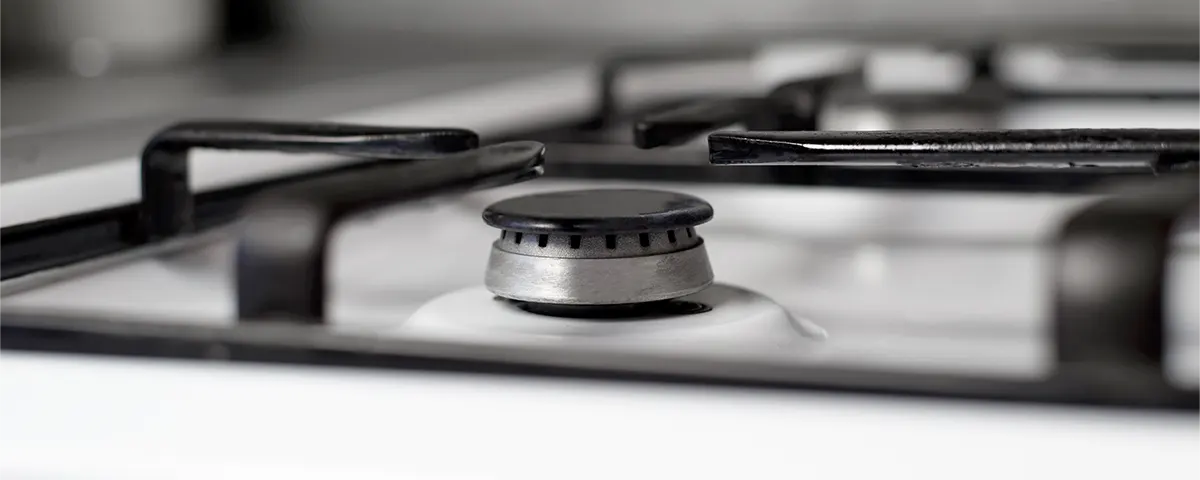
A drop in flame strength on gas appliances, such as a gas stove, can indicate a problem with your gas lines.
Flames should burn steady and blue. If you see flickering, yellow flames, or uneven burning, your pipes may not be delivering enough natural gas. This could be caused by corrosion, blockages, or old piping.
Low pressure can also affect your plumbing heating and water heaters, making them less effective. A qualified gas fitter can test your system and make sure your appliances work safely and efficiently.
4. Rising Gas Bills
If your energy bills suddenly increase without using more gas, your system might be leaking.
Small gas leaks can waste a surprising amount of fuel. If it’s not a leak, it could also be old pipes which can lose efficiency, forcing your gas appliances and water heaters to work harder to do their jobs.
Upgrading the lines can help your plumbing heating run more efficiently, reduce bills, and provide more consistent hot water. This is why we say regular inspection and maintenance are crucial for older homes.
5. Outdated or Old Gas Lines
Homes built decades ago often have older gas lines that don’t meet modern standards. Materials like black iron or galvanized steel can degrade and, when they do, they become unsafe and may lead to an emergency situation.
Modern pipes, like CSST or coated steel, resist corrosion and last longer. Upgrading allows your gas appliances, water heaters, and plumbing heating systems to work at full capacity. It also ensures your home meets current safety standards.
A professional gas plumber can inspect your entire system, identify weak spots, and recommend replacements or upgrades.
Take Action and Call A Gas Plumber at Kelowna Plumbing to Inspect Your System
If you notice rust, odd smells, flickering flames, high bills, or have older lines, it’s time to act. Contact us at Kelowna Plumbing to schedule an appointment to inspect your gas lines. A licensed gas plumber can inspect your system, test for leaks, and recommend the best upgrades. Small repairs now are sure to prevent bigger issues later so if you have concerns about what’s going on in your home, it’s well worth getting it looked at by an expert..
For professional inspections, repairs, and upgrades, contact Kelowna Plumbing today. Keep your home safe, efficient, and your gas appliances running at their best.